Taking proper care of your child's teeth is essential for their overall health and well-being. One of the most important aspects of dental care is knowing when to take your toddler to the dentist for the first time. The American Academy of Pediatric Dentistry (AAPD) recommends that children see a dentist within six months of their first tooth erupting, or by their first birthday. Early dental visits help establish a foundation for good oral health and can help prevent problems down the road.
There are several benefits to taking your toddler to the dentist early on. First, it allows the dentist to assess your child's oral health and identify any potential problems. This can help prevent cavities, gum disease, and other oral health issues from developing. Second, early dental visits can help your child get used to the dentist's office and the procedures involved in a dental checkup. This can help make future visits less stressful for both you and your child. Third, the dentist can provide you with tips and advice on how to care for your child's teeth and gums at home.
If you are concerned about the cost of dental care, there are several options available to help you make it more affordable. Many dental insurance plans cover preventive care for children, including dental checkups and cleanings. You can also check with your local health department or community health center to see if they offer any low-cost or free dental services for children.
When Should Toddler Go to Dentist
Taking your toddler to the dentist early on is essential for their oral health and overall well-being. Here are six key aspects to consider when determining the right time for your child's first dental visit:
- Age: The American Academy of Pediatric Dentistry (AAPD) recommends that children see a dentist within six months of their first tooth erupting, or by their first birthday.
- Development: If your child is showing signs of tooth decay or other oral health problems, it's important to take them to the dentist as soon as possible.
- Diet: If your child is eating a lot of sugary foods or drinks, they may be at a higher risk for cavities. Taking them to the dentist regularly can help prevent cavities from developing.
- Hygiene: If your child is not brushing and flossing their teeth regularly, they may be at a higher risk for gum disease. Taking them to the dentist can help them learn how to properly care for their teeth and gums.
- Behavior: If your child is afraid of the dentist, it's important to take them for regular visits so they can get used to the environment and the procedures involved in a dental checkup.
- Insurance: Many dental insurance plans cover preventive care for children, including dental checkups and cleanings. Checking with your insurance provider can help you determine when your child's first dental visit should be.
Taking your toddler to the dentist early on can help prevent cavities, gum disease, and other oral health problems. It can also help your child get used to the dentist's office and the procedures involved in a dental checkup. If you are concerned about the cost of dental care, there are several options available to help you make it more affordable. Many dental insurance plans cover preventive care for children, including dental checkups and cleanings. You can also check with your local health department or community health center to see if they offer any low-cost or free dental services for children.
Age
The American Academy of Pediatric Dentistry (AAPD) recommends that children see a dentist within six months of their first tooth erupting, or by their first birthday. This recommendation is based on several factors, including the importance of early detection and prevention of oral health problems.
Tooth decay is the most common chronic disease among children in the United States. It can begin as early as infancy, and if left untreated, it can lead to pain, infection, and even tooth loss. Early dental visits allow the dentist to assess your child's risk for tooth decay and other oral health problems, and to develop a plan to prevent these problems from developing.
In addition to preventing tooth decay, early dental visits can also help your child get used to the dentist's office and the procedures involved in a dental checkup. This can help make future visits less stressful for both you and your child.
If you are concerned about the cost of dental care, there are several options available to help you make it more affordable. Many dental insurance plans cover preventive care for children, including dental checkups and cleanings. You can also check with your local health department or community health center to see if they offer any low-cost or free dental services for children.
Taking your toddler to the dentist early on is an important part of their overall health and well-being. By following the AAPD's recommendation, you can help your child get a healthy start on a lifetime of good oral health.
Development
The development of your child's teeth and gums is closely linked to the question of "when should toddler go to dentist." Early detection and intervention are crucial for maintaining good oral health and preventing future problems. Here's how these two aspects are connected:
- Tooth Decay: Tooth decay is a common problem among children, and it can start as early as infancy. If left untreated, tooth decay can lead to pain, infection, and even tooth loss. Taking your child to the dentist as soon as you notice signs of tooth decay can help prevent these problems from developing.
- Gum Disease: Gum disease is another common problem among children, and it can also lead to serious health problems if left untreated. Gum disease can cause pain, bleeding gums, and tooth loss. Taking your child to the dentist as soon as you notice signs of gum disease can help prevent these problems from developing.
- Other Oral Health Problems: There are a number of other oral health problems that can affect children, such as cavities, chipped teeth, and misaligned teeth. Taking your child to the dentist regularly can help prevent these problems from developing, or catch them early on so that they can be treated effectively.
By taking your child to the dentist as soon as you notice signs of tooth decay or other oral health problems, you can help prevent these problems from developing and ensure that your child has a healthy smile for life.
Diet
The connection between diet and "when should toddler go to dentist" is significant because sugary foods and drinks are a major contributing factor to cavities, the most common chronic disease among children in the United States. Cavities can cause pain, infection, and even tooth loss, and they can be prevented by limiting your child's intake of sugary foods and drinks and taking them to the dentist regularly for checkups and cleanings.
Sugary foods and drinks create an acidic environment in the mouth that can damage tooth enamel, the hard outer layer of teeth. This damage can lead to cavities, which are holes in the teeth that can cause pain, infection, and tooth loss. Taking your child to the dentist regularly can help prevent cavities from developing by removing plaque and tartar from the teeth and applying fluoride, which helps to strengthen tooth enamel.
In addition to preventing cavities, taking your child to the dentist regularly can also help you identify and address other oral health problems, such as gum disease and misaligned teeth. Early detection and treatment of these problems can help ensure that your child has a healthy smile for life.
If you are concerned about your child's diet and its impact on their oral health, talk to your dentist. They can provide you with advice on how to limit your child's intake of sugary foods and drinks and help you develop a healthy oral hygiene routine for your child.
Hygiene
Maintaining good oral hygiene is crucial for toddlers dental health, directly impacting the appropriate timing of their first dental visit. When children do not brush and floss their teeth regularly, plaque and bacteria accumulate, increasing their risk of developing gum disease. Gum disease, if left untreated, can lead to inflammation, bleeding, and even tooth loss.
Taking toddlers to the dentist can effectively mitigate these risks. Dentists provide professional cleanings to remove plaque and tartar, preventing gum disease and tooth decay. Moreover, they educate children on proper brushing and flossing techniques, empowering them with the knowledge and skills to maintain good oral hygiene practices at home.
In summary, establishing a consistent oral hygiene routine for toddlers, supported by regular dental visits, is essential for their long-term dental health. By understanding the connection between hygiene and gum disease, parents and caregivers can make informed decisions about when to take their toddlers to the dentist, ensuring a healthy and beautiful smile for years to come.
Behavior
The connection between "Behavior: If your child is afraid of the dentist, it's important to take them for regular visits so they can get used to the environment and the procedures involved in a dental checkup." and "when should toddler go to dentist" lies in the importance of establishing a positive and comfortable dental experience for children. Fear of the dentist, also known as dental anxiety, is a common issue that can affect children of all ages, and it can be a significant barrier to maintaining good oral health.
Taking children to the dentist regularly, even if they are not experiencing any dental problems, can help them become familiar with the dental environment and the procedures involved in a dental checkup. This can help reduce their anxiety and make it more likely that they will continue to see the dentist regularly as they get older.
There are a number of things that parents can do to help their children overcome their fear of the dentist. These include:
- Talking to their children about what to expect at the dentist and explaining that it is a safe and painless experience.
- Bringing their children to the dentist for regular checkups, even if they are not experiencing any dental problems.
- Choosing a dentist who is experienced in working with children and who can make them feel comfortable.
- Encouraging their children to ask questions about the dental procedures and to express any concerns they may have.
By following these tips, parents can help their children overcome their fear of the dentist and establish a lifetime of good oral health.
Insurance
Dental insurance plays a significant role in determining the appropriate timing for a toddler's first dental visit. Many dental insurance plans offer preventive care coverage for children, including dental checkups and cleanings. This coverage can help reduce the financial burden of dental care and make it more accessible for families.
Checking with your insurance provider can provide valuable information regarding the specific benefits and coverage details for your child's dental care. This information can assist you in making an informed decision about when to schedule your child's first dental visit. By understanding the insurance coverage available, you can ensure that your child receives the necessary dental care at the optimal time.
For instance, some insurance plans may cover dental checkups and cleanings starting from the age of one, while others may offer coverage from the age of three. Knowing the details of your insurance plan can help you plan your child's dental care accordingly. Regular dental checkups and cleanings are essential for maintaining good oral health and preventing future dental problems. By utilizing your dental insurance coverage, you can provide your child with the best possible dental care and set them on the path to a healthy smile.
FAQs on "When Should Toddler Go to Dentist"
This section addresses common concerns and misconceptions regarding the appropriate time for a toddler's first dental visit. Six frequently asked questions are answered in a clear and informative manner, providing valuable guidance to parents and caregivers.
Question 1: What is the recommended age for a toddler's first dental visit?
Answer: According to the American Academy of Pediatric Dentistry (AAPD), children should see a dentist within six months of their first tooth erupting, or by their first birthday.
Question 2: Why is it important to take toddlers to the dentist early?
Answer: Early dental visits allow dentists to assess a child's oral health, identify any potential problems, and provide preventive care to minimize the risk of cavities and other dental issues.
Question 3: What should I expect during my toddler's first dental visit?
Answer: The first dental visit typically involves a gentle examination of your child's teeth, gums, and bite. The dentist may also provide cleaning and fluoride treatment to help prevent cavities.
Question 4: How often should toddlers see the dentist?
Answer: Toddlers should see the dentist every six months for regular checkups and cleanings. This frequency helps maintain good oral hygiene, prevent dental problems, and establish a positive dental routine for your child.
Question 5: What are the signs that my toddler may need to see the dentist sooner?
Answer: If you notice any signs of tooth decay, gum inflammation, or other oral health concerns, it's important to schedule an appointment with the dentist promptly.
Question 6: How can I prepare my toddler for their first dental visit?
Answer: Prepare your child by talking to them about the importance of dental health, explaining what to expect during the visit, and practicing good oral hygiene habits at home.
Summary: Regular dental visits from an early age are crucial for maintaining a healthy smile and preventing future dental problems. By understanding the importance of timely dental care and addressing common concerns, parents and caregivers can ensure that their toddlers receive the necessary dental attention and establish a foundation for lifelong oral health.
Transition to the next article section: For further insights on toddler dental care, explore the following section, which discusses the importance of maintaining good oral hygiene habits at home.
Tips for Maintaining Toddler Oral Health
Establishing good oral hygiene habits in toddlers is essential for their long-term dental health. Here are some tips to help you care for your toddler's teeth and gums:
Tip 1: Start brushing early. Begin brushing your toddler's teeth as soon as they appear, using a soft-bristled toothbrush and a pea-sized amount of fluoride toothpaste.
Tip 2: Brush twice a day. Brush your toddler's teeth twice a day, once in the morning and once before bed. Supervise your toddler's brushing until they are old enough to do it independently.
Tip 3: Use fluoride toothpaste. Fluoride helps to strengthen tooth enamel and prevent cavities. Choose a fluoride toothpaste that is specifically designed for toddlers.
Tip 4: Limit sugary foods and drinks. Sugary foods and drinks can contribute to tooth decay. Limit your toddler's intake of these foods and drinks, and offer them healthy alternatives such as fruits, vegetables, and water.
Tip 5: Avoid putting your toddler to bed with a bottle. Putting your toddler to bed with a bottle of milk, formula, or juice can lead to tooth decay. If your toddler needs a bedtime drink, offer them water instead.
Tip 6: Take your toddler to the dentist regularly. Regular dental checkups and cleanings are essential for maintaining good oral health. Take your toddler to the dentist every six months for a checkup and cleaning, starting from the age of one.
Tip 7: Be a good role model. Children learn by watching the adults in their lives. Set a good example for your toddler by brushing and flossing your teeth regularly.
Tip 8: Make brushing fun. Make brushing your toddler's teeth a fun experience by singing songs, playing games, or using a special toothbrush that lights up or plays music.
Summary: By following these tips, you can help your toddler establish good oral hygiene habits that will last a lifetime. Regular brushing, flossing, and dental checkups will help keep your toddler's teeth and gums healthy and strong.
Transition to the article's conclusion: Maintaining good oral hygiene in toddlers requires consistent effort and collaboration between parents, caregivers, and dental professionals. By implementing these tips and prioritizing preventive care, we can ensure that toddlers develop healthy smiles that will stay with them throughout their lives.
Conclusion
The question of "when should toddler go to dentist" is crucial for establishing a foundation of good oral health and preventing future dental problems. By understanding the importance of early dental visits, parents and caregivers can take proactive steps to ensure their toddlers receive the necessary dental care at the optimal time.
Regular dental checkups and cleanings, starting from the age of one, are essential for monitoring a toddler's oral health, identifying potential concerns, and providing preventive treatments. This proactive approach can help minimize the risk of cavities, gum disease, and other dental issues, leading to a healthy and confident smile for years to come.
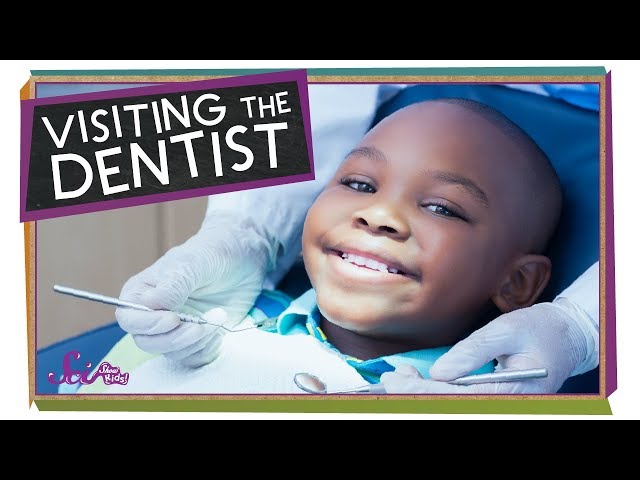
Youtube Video:




No comments:
Post a Comment